
Elevators in high-rise buildings operate under intense daily stress—long travel distances, heavy passenger volumes, and continuous peak-hour usage. Unlike low-rise systems, high-rise elevators face sustained mechanical load, frequent starts and stops, and elevated thermal and electrical stress on critical components.
Without a high-rise–specific strategy, this constant demand accelerates wear on motors, brakes, ropes, doors, and control systems, significantly reducing service life. For building owners and facility managers, the goal to increase elevator life span is not about delaying inevitable upgrades—it is about optimizing performance, safety, and cost efficiency across decades of operation.
This guide outlines practical, proven approaches to high-rise elevator maintenance that help improve elevator longevity, reduce downtime, and control long-term capital expenditure.
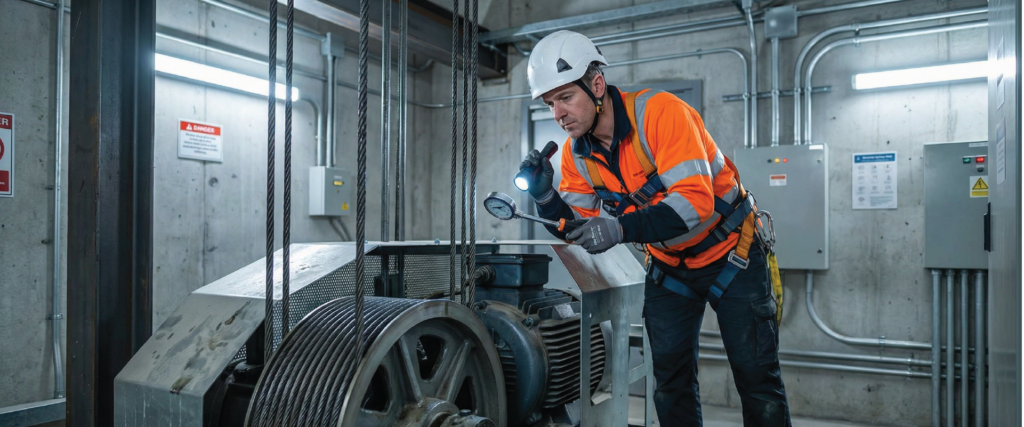
Implement a High-Traffic Preventive Maintenance Schedule
Standard maintenance intervals are often insufficient for tall buildings. High-rise systems operate longer travel distances and experience higher cycle counts, which demand more frequent attention.
An effective elevator preventive maintenance plan for high-rise buildings should include:
- Increased inspection frequency compared to low-rise installations
- Shorter lubrication cycles for moving and load-bearing components
- Regular inspection of hoisting ropes, sheaves, and traction systems
- More frequent checks on braking and safety systems
Proactive high-rise building elevator care ensures components remain within design tolerances, preventing accelerated degradation and unexpected failures.
Monitor Load Patterns and Peak-Hour Usage
One of the most overlooked factors in elevator maintenance for tall buildings is usage behavior. Peak-hour congestion, overloading, and inefficient traffic flow place excessive strain on mechanical and electrical systems.
To reduce long-term stress and reduce elevator wear and tear, building owners should focus on:
- Traffic analysis to understand peak demand patterns
- Load monitoring to prevent chronic overcapacity operation
- Zoning or destination-control strategies to balance usage
- Educating tenants on proper elevator use during peak hours
Effective high traffic elevator management distributes demand evenly across systems, reducing fatigue on individual elevators and extending overall system life.
Keep Elevator Components Properly Aligned and Calibrated
Misalignment is a silent but significant contributor to premature elevator failure. Even small deviations can cause vibration, uneven loading, and cumulative damage over time.
Critical alignment and calibration areas include:
- Door systems and closing mechanisms
- Guide rails and roller guides
- Braking systems and stopping accuracy
- Control system timing and leveling precision
Proper calibration reduces vibration, jerking, and friction—key factors that directly affect elevator longevity and passenger comfort.
Address Minor Faults Before They Become Major Failures
High-rise elevators often provide early warning signs when systems begin to degrade. Ignoring these signals allows minor issues to cascade into major failures that shorten service life.
Early indicators that require immediate attention include:
- Unusual noises such as grinding or humming
- Slower response times or dispatch delays
- Leveling inaccuracies at floors
- Inconsistent door operation
Prompt intervention is one of the most effective ways to extend elevator life. Early repairs reduce stress on interconnected components and prevent secondary damage.
Invest in Timely Modernization, Not Just Repairs
Attempting to preserve aging systems solely through repairs can be counterproductive. Strategic modernization allows owners to extend operational life without the cost of full replacement.
Targeted modernization may include:
- Upgrading controllers and drive systems
- Replacing outdated door operators
- Improving braking and safety components
- Enhancing control software for smoother operation
These upgrades significantly improve reliability and efficiency, helping increase elevator life span while maintaining compliance with evolving safety standards.
Use Smart Monitoring and Predictive Maintenance Tools
Modern technology has transformed how elevators are maintained—especially in high-rise environments. Smart systems allow maintenance teams to shift from reactive servicing to predictive care.
Smart monitoring supports elevator longevity by providing:
- Real-time condition monitoring of critical components
- Automated fault alerts before failures occur
- Usage data to refine maintenance schedules
- Reduced downtime through targeted interventions
Predictive maintenance minimizes unnecessary wear, reduces emergency breakdowns, and protects high-value components under constant load.