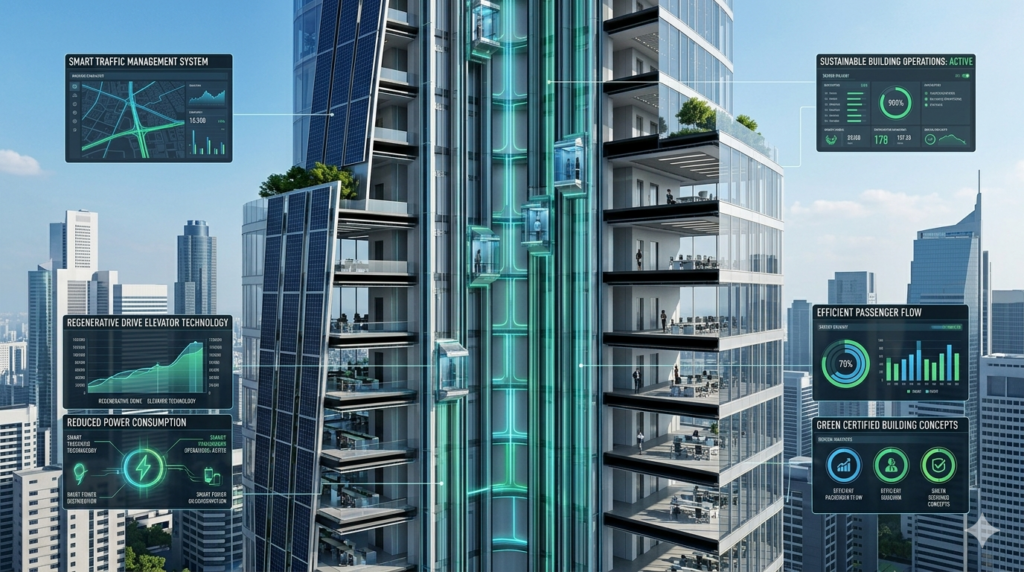
Author: beehive Digital bees

  • From Hygiene to Habit: Why Touchless Elevator Access Is the New UAE Standard

    From Hygiene to Habit: Why Touchless Elevator Access Is the New UAE Standard

    What started as a pandemic-era precaution has become a standard specification. In hotels, hospitals, and corporate towers across Dubai and Abu Dhabi, touchless elevator access is no longer optional — it’s expected. Here’s what’s driving the shift and what to specify.

    From Hygiene Precaution to Standard Spec: How Touchless Elevators Evolved

    Touchless elevator access started as a health response, but it stuck around for reasons that have little to do with hygiene alone.

    • Early adoption during the pandemic introduced guests and residents to the convenience of contactless access, and expectations never reset
    • Hospitality and healthcare sectors kept touchless features post-pandemic once occupants began treating them as a baseline amenity
    • Developers now specify touchless systems as a forward-looking feature rather than a temporary health measure

    This shift has made touchless functionality a standard consideration across our customized passenger elevator projects, regardless of building type.

    Mobile App Control: Letting Residents and Guests Call Elevators Remotely

    Mobile app integration has become one of the most requested touchless features, largely because it extends convenience beyond the cabin itself.

    • Residents and guests can call an elevator to their floor before they even reach it, reducing wait times
    • App-based control supports destination selection, meaning users choose their floor without touching a panel
    • Integration with building access systems allows the app to double as both an entry credential and elevator control

    For residential and hospitality developments, this feature has quickly moved from a differentiator to an expected amenity.

    Voice-Activated Systems and Destination Selection Without Buttons

    Voice control offers a touchless alternative for occupants who prefer not to rely on a personal device inside the cabin.

    • Voice-activated destination selection allows passengers to call out a floor number instead of pressing a button
    • These systems are particularly useful in high-traffic public buildings where shared touchpoints see heavy daily use
    • Voice recognition can be paired with multilingual support, which matters in the UAE’s diverse guest and tenant base

    As adoption grows, voice control is increasingly positioned as a standard option rather than a premium add-on.

    QR Code Access for Hotels: Security and Guest Experience Combined

    QR code access has become particularly popular in hospitality, where it solves both a security and a convenience need at once.

    • Guests can scan a room-specific QR code to access floors, removing the need for a shared physical keycard touchpoint
    • The system can restrict elevator access to authorized floors only, adding a security layer beyond standard access
    • It integrates cleanly with existing hotel management systems, making it straightforward to deploy without major infrastructure changes

    For hotel developers, QR access has become one of the simplest touchless upgrades to specify without disrupting guest flow.

    Facial Recognition in Corporate Towers: Where It’s Already Deployed in Dubai

    Facial recognition represents the more advanced end of touchless access, and Dubai’s corporate towers have been early adopters.

    • Several Dubai business districts have already deployed facial recognition for both building entry and elevator floor access
    • The technology pairs naturally with corporate security requirements, since it verifies identity rather than just granting generic access
    • Adoption is expected to expand into premium residential towers as the technology becomes more cost-effective at scale

    Corporate developers evaluating access systems should treat facial recognition as an increasingly realistic option, not a futuristic one.

    What to Look for When Specifying Touchless Systems for New Builds

    Before finalizing a touchless elevator spec, it helps to confirm a few essentials with your elevator partner.

    • Does the system support multiple touchless methods (app, voice, QR, or facial recognition) rather than locking into just one?
    • Can the touchless access integrate with your building’s existing security and management systems?
    • Is the system designed to scale, allowing additional touchless features to be added without a full retrofit later?

    Covering these points early ensures the building stays adaptable as touchless technology continues to evolve.

  • Glass Elevators Aren’t Just a Design Choice — They’re a Structural One

    Glass Elevators Aren’t Just a Design Choice — They’re a Structural One

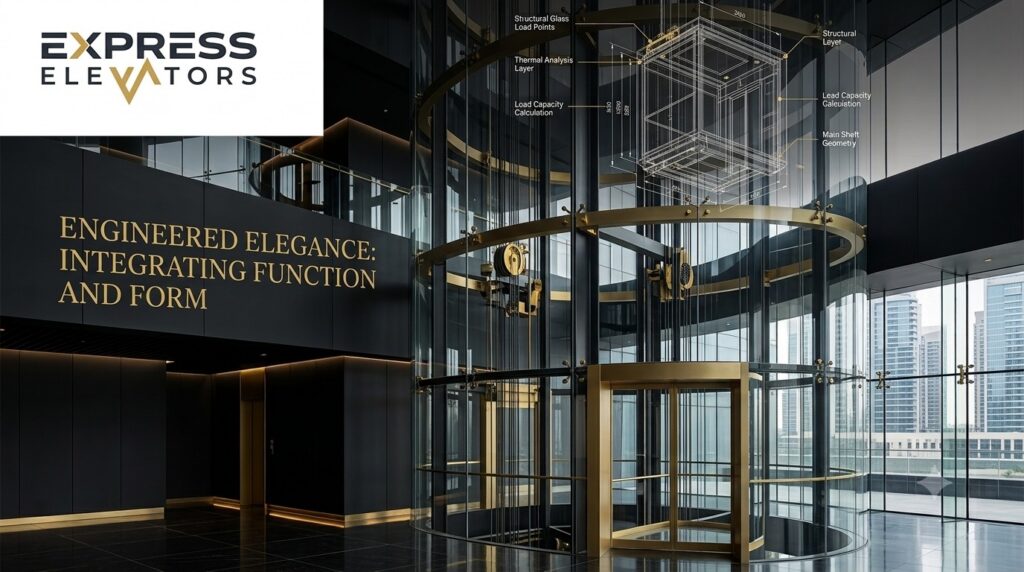
    Glass elevators have become the signature feature of UAE luxury towers, hotels, and villas — but they’re a structural and mechanical decision, not just an aesthetic one. Before specifying a glass cabin, architects need to weigh load capacity, thermal exposure, and maintenance access.

    Why Have Glass Elevators Become Standard in UAE Luxury Developments

    Panoramic cabins have moved from a novelty feature to an expected element in high-end UAE projects, driven largely by how the market defines luxury.

    • Glass cabins create a sense of openness and scale that aligns with the visual language of premium hospitality and residential towers
    • They allow elevators to double as a design feature within atriums and lobbies, rather than a purely functional element
    • Buyers and guests increasingly expect the “experience” of vertical transport to match the rest of a luxury property’s finish level

    This shift has made glass a common request across our customized passenger elevator projects, particularly in hospitality and high-end residential builds.

    Structural Load Considerations for Glass Cabins vs. Traditional Panels

    Glass behaves differently from standard cabin panels under load, and that difference has real implications for the surrounding structure.

    • Glass panels typically require reinforced framing to safely distribute weight compared to standard metal or composite panels
    • Load calculations need to account for the glass itself, not just passenger and cabin weight, since laminated glass adds notable mass
    • Shaft and support structure design may need adjustment early in the project to accommodate a glass cabin’s specific requirements

    Getting these calculations right at the design stage avoids costly structural revisions once the elevator shaft is already built.

    Thermal Exposure and UAE Climate: What Changes in Glass Elevator Design

    The UAE’s climate adds a layer of complexity to glass elevator design that doesn’t apply in cooler markets.

    • Direct sun exposure on external or atrium-facing glass cabins can significantly increase internal cabin temperature
    • Thermal expansion and contraction across seasonal extremes needs to be factored into glass and frame tolerances
    • Specialized coatings or tinted glass are often necessary to manage heat gain without compromising the visual effect

    Architects specifying glass in high-exposure locations should treat thermal performance as a core design requirement, not an afterthought.

    Maintenance and Cleaning Access — The Overlooked Cost of Glass Finishes

    Glass looks pristine when new, but keeping it that way requires planning that’s easy to skip during initial design.

    • Glass cabins show fingerprints, smudges, and water spots far more visibly than standard finishes, requiring more frequent cleaning
    • Access for cleaning and inspection, especially on external-facing glass, needs to be planned into the building’s maintenance infrastructure
    • Replacement costs for damaged glass panels are typically higher than for standard cabin materials, making protective specification worthwhile

    Factoring maintenance access into the design brief early prevents this from becoming an operational headache after handover.

    Lighting, Framing, and Finish Choices That Affect Long-Term Durability

    The details around the glass, not just the glass itself, determine how well a cabin holds up over time.

    • Framing material choice affects both structural support and how well the frame resists corrosion in coastal UAE environments
    • Lighting design needs to account for how it interacts with glass reflections and transparency, particularly in panoramic cabins
    • Finish choices around seals and edges directly affect how well the cabin resists dust, moisture, and wear over years of daily use

    These details are often decided late in the process, but they have an outsized effect on how the elevator ages.

    A Design Checklist for Architects Specifying Glass Elevators

    Before finalizing a glass elevator spec, it’s worth confirming a few essentials with your elevator partner.

    • Has the structural load been calculated specifically for the glass cabin, not adapted from a standard panel spec?
    • Has thermal exposure been addressed through coatings, tinting, or shading appropriate to the cabin’s orientation?
    • Is there a realistic maintenance and access plan in place for ongoing cleaning and inspection?

    Working through this checklist with your elevator supplier early keeps the design intact from concept through to completion.

    Ready to Specify a Glass Elevator for Your Next Project?

    Express Elevators works closely with architects to design glass cabin elevators that balance visual impact with structural and climate performance. Contact our team to discuss your project’s design requirements.

  • Flashy Panel, Dumb System: Why BMS Integration Is the Real Smart Elevator Standard in the UAE

    Flashy Panel, Dumb System: Why BMS Integration Is the Real Smart Elevator Standard in the UAE

    Not every “smart building” actually qualifies as one. As UAE Vision 2031 pushes for fully connected infrastructure, elevators without remote diagnostics or BMS integration are quietly falling behind the standard. Here’s how developers can tell the difference before it becomes a costly retrofit.

    What UAE Vision 2031 Actually Requires From Building Infrastructure

    UAE Vision 2031 sets connectivity as a baseline expectation for new developments, not a premium feature reserved for flagship projects.

    • Buildings are expected to support real-time data exchange between core systems, including vertical transport
    • Infrastructure needs to be interoperable, meaning individual systems can’t operate as isolated silos
    • The push extends beyond government and commercial towers into residential and mixed-use developments

    Meeting this standard starts at the specification stage, which is why Express Elevators builds connectivity into every customized passenger elevator it designs.

    Remote Diagnostics and Predictive Maintenance: The Baseline for “Smart”

    A genuinely smart elevator system flags problems before they become breakdowns — and that capability now defines the floor, not the ceiling, of what counts as smart.

    • Remote diagnostics allow technicians to monitor performance and detect faults without an on-site visit
    • Predictive maintenance uses usage data to schedule servicing before components fail, reducing downtime
    • Data logging over time helps building managers spot recurring issues tied to usage patterns or wear

    Without this layer, a system with a touchscreen panel is still, functionally, a traditional elevator.

    Why BMS Integration Matters More Than a Flashy Control Panel

    A polished interface in the cabin means little if the elevator can’t communicate with the rest of the building’s systems.

    • BMS integration lets facility teams monitor and control elevators from the same platform as HVAC, security, and lighting
    • It enables centralized alerts, so a fault triggers a single coordinated response instead of a separate, disconnected one
    • True integration also supports energy monitoring and reporting, which increasingly ties into compliance requirements

    Developers evaluating vendors should ask specifically about BMS compatibility, not just the visible tech in the cabin — our about us page outlines how we approach this at the specification stage.

    Real Examples: DIFC and Saadiyat Island Smart Building Standards

    Some of the UAE’s most prominent developments have already set the benchmark for what connected infrastructure looks like in practice.

    • DIFC’s newer developments prioritize integrated building management as a core design requirement, not an afterthought
    • Saadiyat Island’s cultural and residential projects have leaned into connected infrastructure to support long-term facility management
    • Both illustrate that smart specification is increasingly a competitive differentiator, not just a compliance checkbox

    These examples set a reference point for what UAE developers should expect from their own vertical transport systems.

    Retrofitting vs. Specifying Smart-Ready From Day One

    Adding connectivity after installation is possible, but it’s rarely as clean, or as cost-effective, as building it in from the start.

    • Retrofitting often requires replacing control systems entirely, not just adding a sensor layer
    • Downtime during a retrofit affects building operations in a way that specification-stage planning avoids
    • Smart-ready systems built in from day one tend to have lower total cost of ownership over the building’s lifecycle

    Planning for connectivity upfront is almost always the more efficient path, both financially and operationally.

    A Simple Checklist to Audit Your Elevator System’s Smart Readiness

    Before assuming a system is smart-ready, it’s worth checking it against a short list of core capabilities.

    • Does the system support remote diagnostics and predictive maintenance, not just remote monitoring?
    • Is it fully integrated with your building management system, rather than operating on a separate platform?
    • Was smart connectivity specified at the design stage, or will it require a future retrofit?

    Running through this checklist early can save developers from a costly correction down the line.

    Ready to Build Smart Connectivity Into Your Next Project?

    Express Elevators helps developers specify vertical transport systems that meet UAE Vision 2031 connectivity standards from day one. Get in touch to discuss smart-ready elevator specifications for your project.

  • The Hidden Cost of Vertical Transport: Why Elevator Energy Efficiency Is Now a Compliance Issue in the UAE

    The Hidden Cost of Vertical Transport: Why Elevator Energy Efficiency Is Now a Compliance Issue in the UAE

    Most developers budget for elevator installation and maintenance — but rarely for the electricity bill. In the UAE, elevators can account for up to 8% of a building’s total energy consumption, and new green building regulations now require documented proof of that performance. Here’s what that means for your next project.

    Why Elevators Are One of the Largest Hidden Energy Draws in Commercial Buildings

    Elevators run around the clock, and unlike lighting or HVAC, their consumption is rarely tracked as a standalone line item — which is exactly why it goes unnoticed.

    • Motors, standby systems, and cabin lighting draw power even during idle periods between trips
    • Older hydraulic and geared systems consume significantly more energy per trip than modern traction systems
    • High-rise and high-traffic buildings compound the cost, since elevator usage scales with occupancy and floor count

    For developers specifying vertical transport, the fix starts with choosing systems built for efficiency from the outset — something Express Elevators factors into every customized passenger elevator project.

    Dubai Green Building Regulations: What “Documented Energy Performance” Actually Requires

    Dubai’s green building regulations have shifted from encouraging efficiency to requiring evidence of it, which changes how elevator specifications get reviewed at the approval stage.

    • Developers must now submit documented energy performance data for major building systems, including vertical transport
    • Elevator specifications need to show measurable consumption figures, not just general efficiency claims
    • Compliance is checked at both design approval and post-installation stages, making retrofits harder to justify later

    Building this documentation in early, rather than scrambling for it at sign-off, is where working with an experienced elevator consultancy team pays off.

    LEED Gold/Platinum Compliance and Elevator Specifications

    For projects targeting LEED certification, elevators are no longer a minor line item — they directly affect the points a building can earn.

    • Energy-efficient elevator systems contribute directly to LEED’s energy and atmosphere credit category
    • Regenerative drive technology is increasingly expected, not optional, for Gold and Platinum tiers
    • Documentation of motor efficiency and standby power draw is typically required as part of the certification submission

    Specifying the right system from day one avoids the costly redesign cycles that come with retrofitting for certification later.

    Regenerative Drives and Standby Modes: Practical Ways to Cut Consumption

    Two features consistently make the biggest measurable difference in elevator energy use, and both are increasingly standard in modern installations.

    • Regenerative drives convert braking energy back into usable power instead of dissipating it as heat
    • Standby or sleep modes reduce power draw during low-traffic hours without affecting response time
    • LED cabin lighting and low-power control systems further reduce the baseline draw across a building’s full elevator bank

    These aren’t premium add-ons anymore — they’re the baseline expectation for any building aiming to meet current energy standards.

    How Energy-Efficient Elevators Affect Long-Term Operating Costs, Not Just Upfront Price

    The sticker price on an elevator system tells only part of the story; the real cost difference shows up over years of operation.

    • Energy-efficient systems typically carry a higher upfront cost but recover the difference through lower utility bills over the elevator’s lifespan
    • Reduced energy draw also means less strain on mechanical components, which can lower long-term maintenance costs
    • For large developments with multiple elevator banks, the savings compound significantly across the building’s operating life

    Factoring lifecycle cost into the initial spec — not just the installation quote — is a habit worth building into every project.

    A Quick Checklist for Developers to Evaluate Energy Compliance Before Sign-Off

    Before locking in an elevator spec, it’s worth running through a short list to confirm the system will hold up under review.

    • Does the system have documented energy performance data ready for regulatory submission?
    • Does it include regenerative drive and standby mode as standard, not optional, features?
    • Has the supplier accounted for lifecycle operating costs, not just installation price?

    Running this checklist early avoids delays at the compliance stage and gives developers confidence going into approval.

    Ready to Specify an Energy-Efficient Elevator for Your Next Project?

    Express Elevators works with developers and architects across the UAE to specify vertical transport systems that meet both performance and compliance requirements from day one. Contact our team to discuss your project’s elevator specifications.

  • Dumbwaiter vs. Service Elevator: Choosing the Right Goods Lift for Your Restaurant or Hotel

    Dumbwaiter vs. Service Elevator: Choosing the Right Goods Lift for Your Restaurant or Hotel

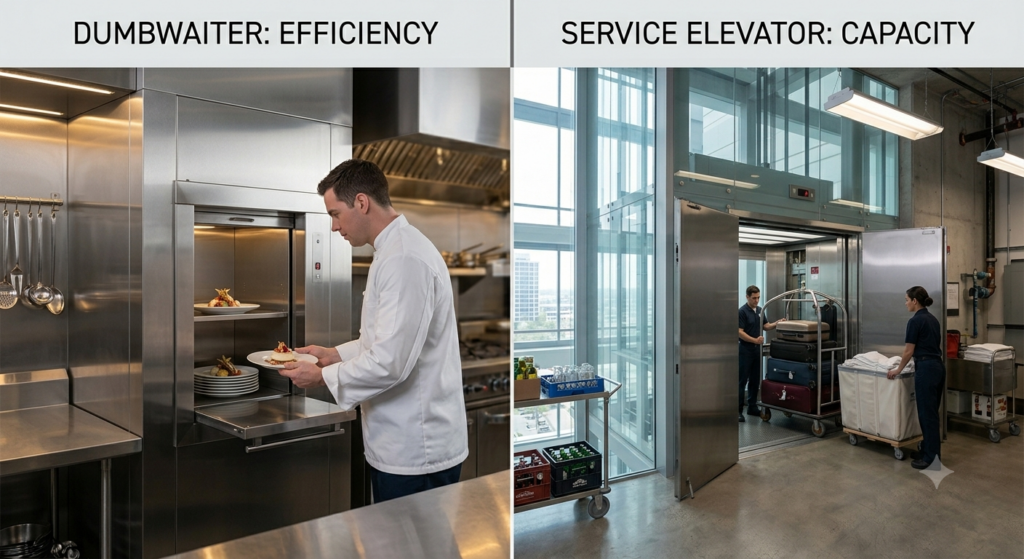
    In the fast-paced world of hospitality, moving goods efficiently between floors is essential to smooth operations. Whether you run a Dubai restaurant or a multi-storey hotel, choosing between a dumbwaiter and a service elevator impacts your speed, safety, and budget.

    At Express Elevators UAE, we offer both dumbwaiter and service elevator solutions built for the hospitality sector across the UAE.

    What is a Dumbwaiter?

    A compact, automated lift designed for transporting food, dishes, and small goods between floors quickly and quietly.

    • Typically carries loads between 50 and 250 kg, making it perfectly suited for the consistent, lighter demands of food and beverage service throughout a busy shift.
    • Ideal for restaurants, cafés, and hotel dining facilities where speed and discretion matter — keeping food hot and service seamless without any disruption to the guest experience.
    • Operates quietly and unobtrusively, allowing kitchen and dining teams to maintain full workflow without noise, foot traffic, or interruption between floors.
    • Requires minimal shaft space, making it a practical and cost-effective retrofit solution for existing buildings where major structural changes are not feasible.

    What is a Service Elevator?

    A heavy-duty lift built to carry larger loads — trolleys, laundry carts, and bulk supplies — across multiple floors.

    • Engineered to handle loads from 500 kg and above, providing the capacity needed to move heavy commercial equipment, bulk deliveries, and large hospitality supplies without limitation.
    • Spacious enough to accommodate staff members alongside full housekeeping trolleys, laundry carts, and catering equipment — making it a true operational workhorse for any large property.
    • Built for continuous heavy use across multiple floors, with robust components and reinforced construction designed to withstand the demands of a busy hotel or resort environment.
    • Serves as the backbone of back-of-house logistics in major hospitality properties, ensuring that supplies, linens, and equipment reach every department on time without disrupting guest-facing areas.

    Capacity and Load Requirements

    • Dumbwaiters are best suited for frequent, lighter loads such as food trays, dishes, beverages, and small packages — providing fast, reliable service without the need for a full-sized goods lift.
    • Service elevators are designed for heavier and bulkier cargo including linen trolleys, catering equipment, bulk food deliveries, and large maintenance items that simply cannot be transported via a dumbwaiter.
    • Multi-department properties spread across several floors benefit significantly more from a service elevator, as the volume and variety of goods movement demands greater capacity and flexibility throughout the day.
    • Smaller restaurants or venues operating across a single service floor will typically find that a well-specified dumbwaiter is entirely sufficient — and far more cost-efficient — for their day-to-day operational needs.

    Space and Installation

    • Dumbwaiters require a minimal shaft — as small as 600mm x 600mm — making them an ideal solution for compact kitchens, narrow back-of-house corridors, and properties where floor space is at a premium.
    • Service elevators require a full-sized shaft with adequate machine room clearance, which must be factored into both the architectural planning and the structural assessment of the building.
    • Retrofitting a dumbwaiter into an existing building is a straightforward process that typically requires minimal structural changes, shorter installation timelines, and significantly less disruption to daily operations.
    • Service elevator installation requires detailed site planning, structural assessments, and regulatory approvals from the relevant UAE authorities — all of which our team can manage on your behalf.

    Our elevator consultancy team can assess your site and recommend the best approach.

    Cost and Operational Efficiency

    • Dumbwaiters carry a lower upfront investment and are considerably cheaper to maintain over time, making them the most financially efficient option for food-focused operations with consistent but lighter service demands.
    • Service elevators require a higher initial investment in equipment, installation, and infrastructure, but deliver significantly greater capacity, versatility, and long-term operational value for larger properties.
    • Larger hotels and resorts often benefit most from deploying both solutions together — a dumbwaiter dedicated to food and beverage service, and a service elevator handling general logistics, laundry, and heavy deliveries across all floors.
    • Taking time to assess your five to ten year operational growth plans, expected guest volumes, and departmental needs will ensure you make the smarter long-term investment from the outset.

    Quick Comparison

    Dumbwaiter

    • Best suited for restaurants, cafés, and smaller hotels where food and light goods need to move quickly and quietly between a limited number of floors.
    • Load capacity of up to 250 kg, covering the full range of food service, dishware, and small supply needs without taking up valuable building space.
    • Requires only a minimal shaft footprint, making it easy to install in existing properties with little structural disruption and a fast turnaround from order to operation.
    • Offers a lower installation and ongoing maintenance cost, delivering a strong return on investment for operations where volume and weight requirements remain consistent.

    Service Elevator

    • Best suited for large hotels, resorts, and multi-floor hospitality properties where heavy goods, bulk supplies, and staff movement need to be managed efficiently across all floors.
    • Load capacity from 500 kg and above, providing the strength and space needed to handle everything from linen trolleys and catering equipment to large maintenance deliveries.
    • Requires a dedicated full-sized shaft with appropriate machine room provisions, forming a permanent and integral part of the building’s vertical logistics infrastructure.
    • Represents a higher upfront investment, but delivers unmatched long-term capacity, operational reliability, and versatility that grows in value as your property scales.

    Explore our dumbwaiter and service elevator range or browse our full product catalogue to find the right fit for your property.

    Find the right goods lift for your business — get in touch today.

  • Common Elevator Problems in High-Traffic Buildings and How to Prevent Them

    Common Elevator Problems in High-Traffic Buildings and How to Prevent Them

    Elevators in high-traffic buildings — malls, offices, hospitals, and hotels — are under constant strain, making them more prone to wear and unexpected failures. The good news is that most common problems are entirely preventable with the right maintenance approach.

    At Express Elevators UAE, we help building owners across the UAE keep their elevators running safely and reliably through expert modernization and safety upgrade services.

    Frequent Breakdowns

    Repeated failures are usually a sign of deferred maintenance rather than sudden damage.

    • Worn motors, cables, and control boards are the most common root causes — and they rarely fail without warning signs that a trained technician would catch early.
    • Older systems without a regular servicing schedule deteriorate significantly faster, leading to costly emergency callouts that could have been avoided.
    • Routine inspections allow engineers to identify and replace failing components well before a full shutdown occurs, keeping operations uninterrupted.

    Door Malfunctions

    Doors are the most frequently used part of any elevator — and the most common source of faults.

    • Misaligned sensors cause doors to jam, reopen repeatedly, or fail to close properly — disrupting passenger flow and triggering safety lockouts.
    • Worn tracks and rollers create friction that slows door movement, puts unnecessary stress on the motor, and increases the likelihood of complete door failure.
    • Regular lubrication, track cleaning, and sensor calibration can prevent the vast majority of door-related issues before they escalate into service calls.

    Slow Performance

    A drop in speed or responsiveness is often an early warning sign worth addressing promptly.

    • Overloading beyond rated capacity and hydraulic fluid degradation are among the most frequent causes of sluggish or inconsistent elevator performance.
    • Drive system wear gradually reduces ride smoothness, increases energy consumption, and places additional strain on connected mechanical components.
    • Professional calibration and load monitoring help restore optimal performance and extend the working life of the drive system considerably.

    Our elevator modernization service can bring ageing drive systems up to current standards

    Unusual Noises and Vibrations

    Grinding, rattling, or vibrating during operation should never be ignored.

    • Worn guide shoes and loose cabin components are a leading cause of vibration during travel, creating discomfort for passengers and accelerating wear on the shaft structure.
    • Grinding sounds typically point to issues within the motor, gearbox, or sheave — all of which require prompt attention to prevent more serious mechanical failure.
    • Early detection through scheduled routine checks allows engineers to address minor faults before they develop into expensive, time-consuming repairs.

    Overheating

    Continuous operation puts sustained thermal stress on elevator machinery.

    • Poor ventilation in machine rooms causes heat to accumulate rapidly, accelerating wear on motors, drives, and other critical components that are sensitive to temperature.
    • Electronic control systems are particularly vulnerable to sustained heat exposure, making inadequate cooling a direct risk factor for unexpected shutdowns and component failure.
    • Regular ventilation checks, combined with thermal monitoring equipment, are simple and cost-effective preventive measures that significantly reduce overheating risk.

    Electrical and Control System Failures

    Electrical faults are unpredictable and among the most disruptive when they occur.

    • Degraded wiring insulation and outdated control panels are the most common failure points in older elevator systems, particularly those that have not been modernized in the last decade.
    • Power surges can trigger sudden shutdowns, corrupted control logic, and in worst-case scenarios, pose genuine safety risks to passengers and building occupants.
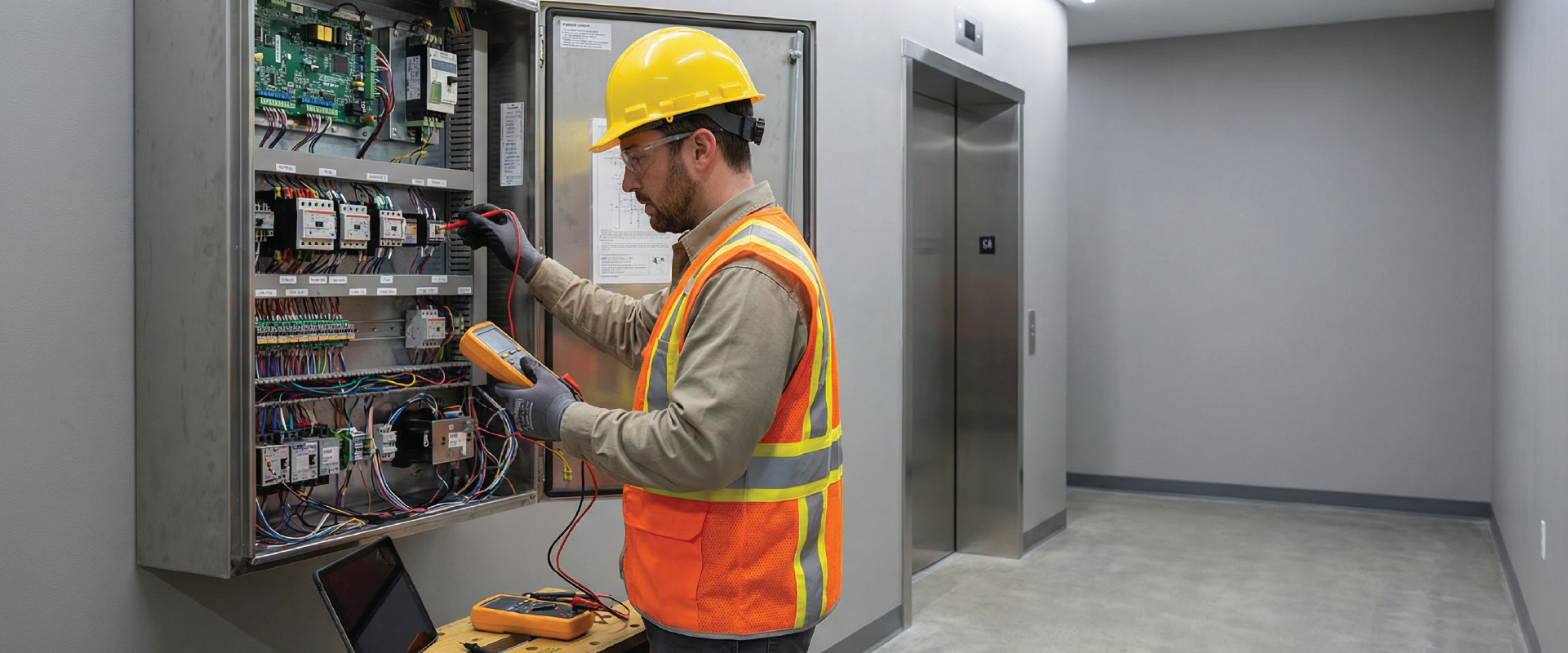
    • Regular electrical inspections and system testing ensure ongoing compliance with UAE safety standards and significantly reduce the risk of unexpected outages.

    Our elevator safety upgrades include full electrical system reviews as standard.

    Preventive Maintenance Tips

    A proactive schedule is far more cost-effective than emergency repairs.

    • Inspect and lubricate all moving parts — including cables, pulleys, guide rails, and door mechanisms — at regular, scheduled intervals throughout the year.
    • Test all critical safety systems routinely, including brakes, overload sensors, emergency lighting, and door reversal mechanisms, to confirm they perform reliably under real conditions.
    • Replace worn components proactively before they reach their failure point, rather than waiting for a breakdown to identify the problem during peak building hours.
    • Maintain detailed maintenance logs for every unit to identify recurring patterns, plan ahead for part replacements, and demonstrate compliance during regulatory inspections.

    Why Professional Servicing Matters

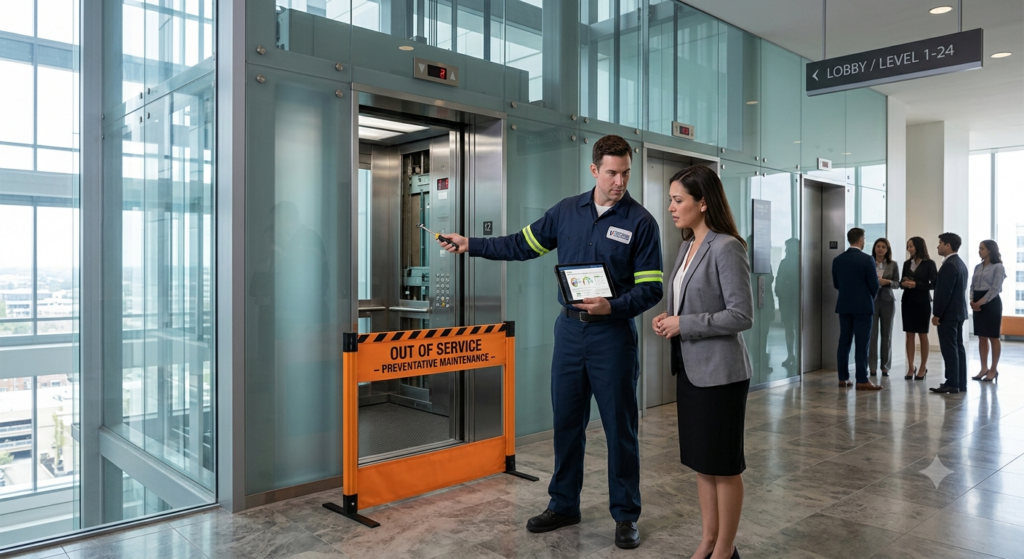
    Qualified technicians identify issues that routine checks miss and ensure full regulatory compliance.

    At Express Elevators UAE, we bring 51+ years of expertise across passenger elevators, service elevators, and platform elevators — with reliable after-sales support built in.

    Let’s talk about the right maintenance plan for your building.

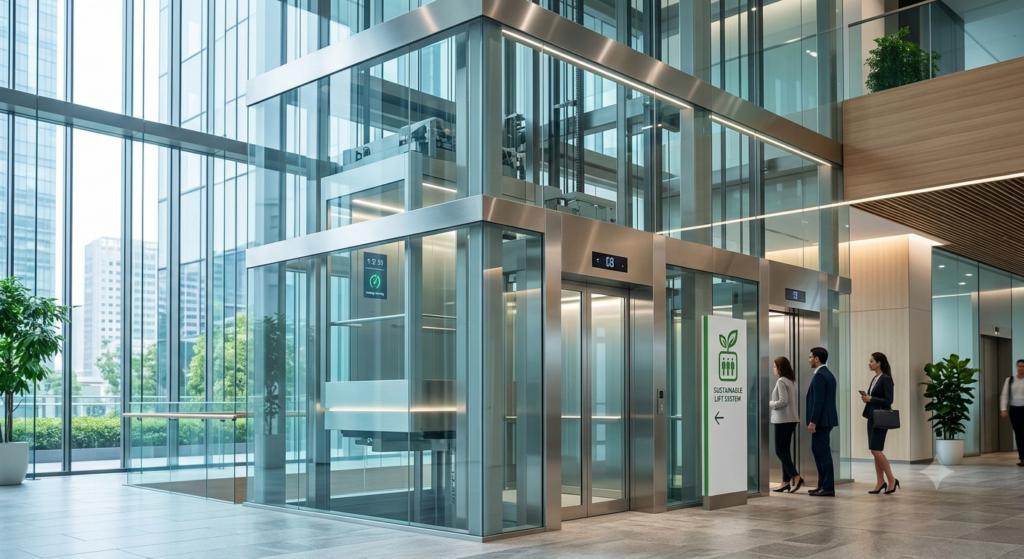
  • Sustainable Elevators: How Modern Lift Systems Save Energy in Commercial Buildings

    Sustainable Elevators: How Modern Lift Systems Save Energy in Commercial Buildings

    As commercial buildings become smarter and more environmentally conscious, every component of a building’s infrastructure is being evaluated for energy efficiency—including elevators. While elevators are essential for daily operations, many property owners underestimate the amount of energy they consume over time.

    With rising electricity costs, stricter sustainability regulations, and increasing demand for green buildings across the UAE, investing in sustainable elevator technology is no longer optional. Modern elevator systems are designed to reduce energy consumption, improve operational efficiency, and support long-term sustainability goals.

    At Express Elevators UAE, we provide advanced elevator solutions that help commercial properties reduce their environmental footprint while maintaining superior performance, safety, and passenger comfort.

    How Sustainable Elevators Reduce Energy Consumption

    Energy-efficient elevators are engineered to minimize power usage without compromising reliability or passenger experience.

    LED Lighting Systems

    Traditional cabin lighting can consume unnecessary electricity throughout the day. Modern elevators use LED lighting, which consumes significantly less energy and offers a much longer lifespan. Motion sensors and automatic shut-off features further reduce energy waste when elevators are not in use.

    Automatic Standby and Sleep Modes

    Smart controllers place elevators into low-power standby mode during periods of inactivity. Cabin lighting, ventilation fans, and display systems can automatically power down when not required, reducing idle energy consumption.

    Variable Frequency Drives (VFDs)

    Variable Frequency Drives optimize motor performance by adjusting speed according to passenger load and travel demand. Instead of operating at maximum power continuously, the system uses only the energy necessary for each trip.

    Lightweight Elevator Components

    Modern elevator cabins utilize lightweight materials that reduce the overall load on the system. Less weight means less energy is required for acceleration, movement, and braking.

    When combined, these technologies can reduce elevator energy consumption by up to 40% compared to older systems.

    The Role of Regenerative Drive Technology

    One of the most significant innovations in elevator sustainability is regenerative drive technology.

    Traditional elevator systems waste excess energy as heat during braking and downward travel. Regenerative drives capture this otherwise lost energy and convert it into usable electricity.

    How Regenerative Drives Work

    When an elevator travels downward with a heavy load or upward with a light load, the motor acts as a generator. The generated electricity is redirected back into the building’s electrical network rather than being dissipated as heat.

    Key Benefits

    • Reduced overall power consumption
    • Lower cooling requirements in machine rooms
    • Improved building energy efficiency
    • Faster return on investment
    • Reduced environmental impact

    The recovered energy can be used to power:

    • Building lighting systems
    • HVAC equipment
    • Security systems
    • Other electrical infrastructure

    For high-traffic commercial buildings, regenerative technology can deliver substantial energy savings over the lifetime of the elevator.

    It is one of the most impactful upgrades available through our elevator modernization service.

    Smart Elevator Systems for Smarter Buildings

    The next generation of elevators goes beyond energy-efficient hardware by incorporating intelligent software and automation.

    Destination Dispatch Technology

    Rather than simply pressing an up or down button, passengers enter their destination floor before boarding. The system groups passengers traveling to similar floors into the same elevator.

    Benefits include:

    • Fewer stops per trip
    • Shorter waiting times
    • Reduced travel time
    • Lower energy consumption

    AI-Powered Traffic Management

    Advanced elevator systems analyze traffic patterns throughout the day and predict demand based on historical usage.

    For example:

    • Morning arrival periods
    • Lunch-hour traffic
    • Evening departures
    • Event-based building usage

    Elevators can be strategically positioned in advance, reducing unnecessary movement and improving efficiency.

    Building Management System (BMS) Integration

    Modern elevators can communicate directly with a building management system, enabling centralized monitoring and energy optimization.

    Building operators gain visibility into:

    • Energy usage
    • Equipment performance
    • Maintenance requirements
    • Passenger traffic trends

    Our elevator consultancy team can identify the right smart systems for your building.

    Environmental and Financial Benefits for Commercial Spaces

    Sustainable elevators provide advantages that extend far beyond lower electricity bills.

    Reduced Operating Costs

    Lower energy consumption translates directly into reduced utility expenses. Over the lifespan of an elevator system, these savings can be substantial.

    Improved Equipment Longevity

    Efficient motors and intelligent controls reduce wear and tear on critical components, resulting in:

    • Fewer breakdowns
    • Lower maintenance costs
    • Extended equipment lifespan

    Enhanced Tenant Experience

    Modern elevators offer:

    • Smoother rides
    • Faster travel times
    • Reduced noise levels
    • Greater reliability

    These improvements contribute to a more comfortable and professional building environment.

    Sustainability Certification Support

    Energy-efficient elevators contribute valuable points toward internationally recognized green building certifications such as:

    • LEED (Leadership in Energy and Environmental Design)
    • BREEAM (Building Research Establishment Environmental Assessment Method)
    • Estidama Pearl Rating System

    These certifications can increase property value and attract environmentally conscious tenants and investors.

    Compliance with UAE Sustainability Goals

    The UAE continues to strengthen sustainability initiatives through national energy efficiency programs and green building regulations. Installing sustainable elevator systems helps developers and property owners meet current and future compliance requirements.

    Explore our elevator safety upgrades and elevator interiors to see what a full modernization looks like.

    Why Green Building Projects Choose Modern Elevators

    Across the UAE, sustainable vertical transportation systems are rapidly becoming a standard requirement rather than a premium feature.

    Developers increasingly prioritize energy-efficient elevators because they:

    • Contribute directly to sustainability targets
    • Support net-zero carbon strategies
    • Improve operational efficiency
    • Enhance long-term property value
    • Reduce total lifecycle costs

    Modern elevators can also integrate seamlessly with renewable energy infrastructure, including:

    • Solar power systems
    • Smart energy grids
    • Energy storage solutions
    • Building-wide energy management platforms

    As sustainable construction becomes the norm, elevator efficiency plays a critical role in achieving overall building performance goals.

    Future-Proof Your Building with Sustainable Elevator Solutions

    The demand for sustainable commercial buildings will continue to grow as businesses, governments, and property owners prioritize environmental responsibility and operational efficiency.

    Investing in energy-efficient elevators today delivers immediate cost savings while preparing your property for future regulations, sustainability standards, and tenant expectations.

    Whether you’re planning a new installation, upgrading an existing system, or exploring modernization opportunities, sustainable elevator technology offers one of the most effective ways to improve building performance.

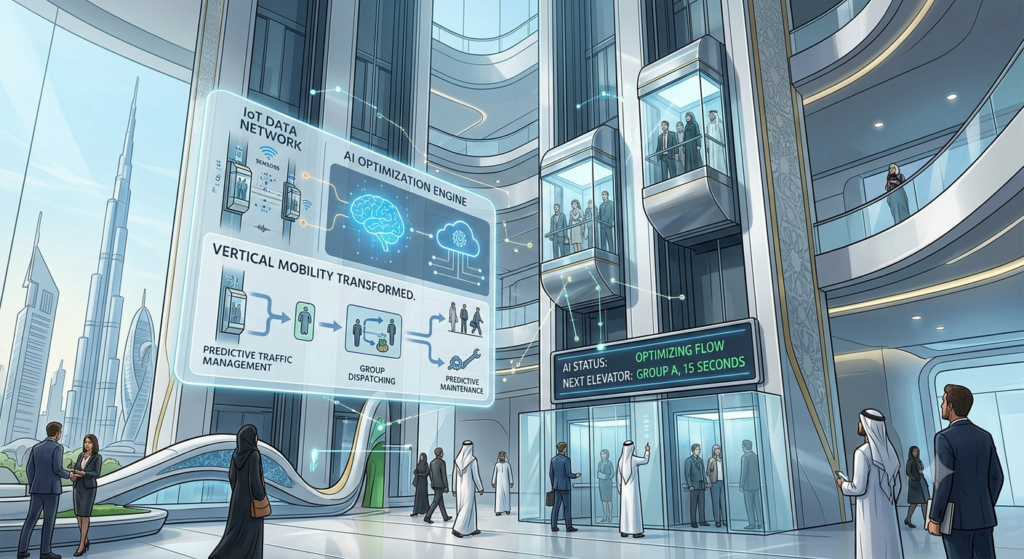
  • Smart Elevators in the UAE: How IoT and AI Are Transforming Vertical Mobility in Modern Buildings

    Smart Elevators in the UAE: How IoT and AI Are Transforming Vertical Mobility in Modern Buildings

    The UAE’s rapidly growing skyline demands infrastructure that’s as intelligent as its architecture. Elevators are no longer just mechanical lifts — IoT sensors and AI-powered systems are transforming them into smart, self-monitoring machines that reduce downtime, save energy, and enhance passenger experience. As smart building technology becomes the new standard across Dubai and the UAE, here’s how these innovations are redefining vertical mobility in modern buildings.

    At Express Elevators UAE, we deliver customised elevator solutions built for the demands of modern commercial and residential buildings across the region.

    Real-Time Elevator Monitoring with IoT

    IoT sensors have fundamentally changed how elevators are managed, shifting the approach from reactive repairs to continuous, real-time oversight.

    1. Sensors embedded in motors, doors, and cables monitor performance around the clock
    2. Anomalies such as unusual vibrations, temperature spikes, or door misalignments are flagged instantly
    3. Building managers receive live alerts, enabling faster decisions before issues escalate
    4. Data collected over time builds a detailed performance profile for each elevator unit

    For commercial buildings with high footfall, real-time monitoring means fewer disruptions and greater reliability for occupants.

    AI-Powered Predictive Maintenance

    One of the most valuable applications of AI in elevator technology is its ability to predict problems before they occur.

    1. AI analyses patterns in usage data, wear rates, and component behaviour
    2. Maintenance is scheduled based on actual need rather than fixed intervals, reducing unnecessary servicing
    3. Early fault detection prevents minor issues from developing into costly breakdowns
    4. Lifecycle tracking helps building managers plan replacements well in advance

    This approach significantly lowers long-term maintenance costs and reduces elevator downtime — a critical advantage in busy commercial towers and hospitality properties. Our elevator modernization service integrates these capabilities into existing installations.

    Energy Efficiency Through Smart Controls

    Smart elevator systems are designed to consume only the energy they need, automatically adjusting to the building’s usage patterns.

    1. Variable frequency drives (VFDs) regulate motor speed based on load, reducing excess power draw
    2. Intelligent standby modes dim lighting and reduce power when the cabin is idle
    3. Regenerative drives recover energy during descent and feed it back into the building grid
    4. Peak and off-peak scheduling minimises energy consumption during low-traffic hours

    For UAE commercial buildings navigating rising energy costs and green building requirements, smart controls deliver measurable savings from day one. Learn more about our energy-efficient elevator solutions.

    Enhanced Passenger Experience with Intelligent Dispatch

    AI-driven dispatch systems reimagine how passengers interact with elevators in high-traffic buildings.

    1. Destination control systems group passengers travelling to the same or nearby floors
    2. AI predicts peak demand periods and pre-positions cabins to reduce wait times
    3. Fewer stops per trip means faster journey times and less energy consumed per cycle
    4. Personalised access control can be integrated, allowing priority or restricted floor access

    In mixed-use towers, hotels, and large commercial complexes across Dubai and Abu Dhabi, intelligent dispatch creates a noticeably smoother experience for tenants and visitors. Our elevator consultancy team can advise on the best dispatch configuration for your building.

    Remote Diagnostics and Cloud Connectivity

    Cloud-connected elevators bring a new level of operational flexibility to building management teams.

    1. Technicians can access diagnostic data and run system checks remotely, without an on-site visit
    2. Software updates and configuration changes can be deployed directly over the cloud
    3. Service histories are stored centrally, making compliance documentation straightforward
    4. Faster remote resolution reduces the need for emergency call-outs and associated costs

    For facility managers overseeing multiple properties, cloud connectivity provides a single view of elevator health and performance across an entire portfolio. Combined with our elevator safety upgrades and ongoing support, it represents a comprehensive approach to modern lift management.

    The Future of Vertical Mobility in the UAE

    Smart elevator technology is no longer a feature reserved for flagship developments. Across the UAE, building owners and developers are recognising that IoT and AI integration is a practical investment that reduces costs, improves safety, and future-proofs their assets.

    Whether you are planning a new installation or looking to upgrade an existing system, Express Elevators UAE has the expertise to deliver intelligent, reliable, and energy-efficient vertical mobility solutions tailored to your building’s needs.

    “Let’s talk about what smart elevation looks like for your building.”

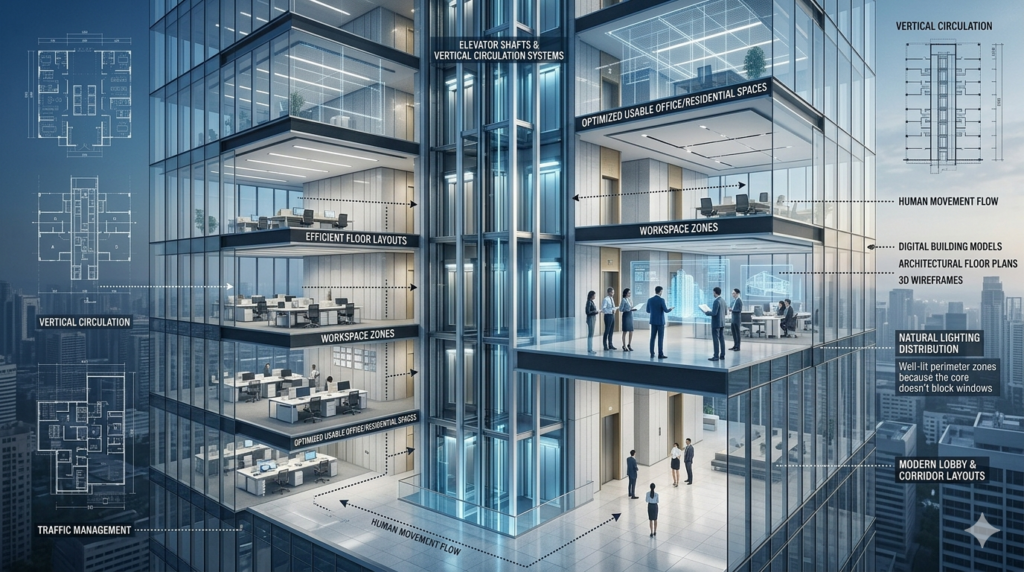
  • How Elevator Core Placement Impacts Building Efficiency and Usable Space

    How Elevator Core Placement Impacts Building Efficiency and Usable Space

    In modern commercial and high-rise construction, elevator core planning plays a much bigger role than simply deciding where elevators should be located. The placement of an elevator core directly impacts building efficiency, circulation flow, tenant experience, structural planning, and the amount of usable space available on each floor.

    Architects and developers must balance aesthetics, accessibility, and functionality while designing vertical transportation systems. A poorly positioned elevator core can create inefficient circulation paths, wasted floor areas, and long-term operational challenges. On the other hand, optimizing building layout with efficient elevator core placement improves workflow, increases rentable space, and enhances overall building performance.

    Express Elevators commercial lift solutions for modern high-rise office buildings

    What is an Elevator Core and Why It Matters in Building Design

    An elevator core is the central vertical zone within a building that typically contains:

    1. Elevator shafts
    2. Staircases
    3. Mechanical shafts
    4. Service ducts
    5. Emergency exits

    In most high-rise structures, the elevator core acts as the organizational backbone of the building. It influences structural alignment, movement patterns, fire safety, and accessibility.

    Effective elevator core planning is critical because the core occupies a significant portion of the floor plate. The location and size of the core determine how efficiently the remaining floor area can be used.

    The impact of elevator core design on usable floor space becomes especially important in:

    1. Office buildings
    2. Hotels
    3. Hospitals
    4. Residential towers
    5. Mixed-use developments

    When properly designed, the elevator core supports smooth vertical transportation efficiency while maximizing rentable or functional areas.

    Poor planning, however, often leads to:

    1. Dead spaces
    2. Longer walking distances
    3. Congested circulation
    4. Reduced natural lighting
    5. Inefficient tenant layouts

    This is why elevator design should always be integrated early into the architectural planning process.

    Centralized vs Offset Core: Impact on Floor Plate Efficiency

    One of the most important decisions in elevator core planning is choosing between a centralized core and an offset core layout.

    Centralized Core Design

    In centralized core systems, elevators and service areas are placed near the center of the building. This approach is common in commercial towers because it:

    1. Creates balanced circulation
    2. Improves structural symmetry
    3. Simplifies vertical transportation
    4. Maximizes perimeter access to natural light

    Centralized cores are often considered one of the best elevator core placement strategies for high rise buildings because they allow flexible office layouts around the perimeter.

    Advantages include:

    1. Better tenant distribution
    2. Efficient HVAC zoning
    3. Improved evacuation planning
    4. Reduced travel distances

    However, centralized cores may sometimes limit open-plan architectural concepts depending on the floor geometry.

    Offset Core Design

    Offset or side-core layouts position elevators closer to one side of the building. This approach is often used when:

    1. Views need to be prioritized
    2. Unique architectural forms are desired
    3. Large uninterrupted spaces are required

    Offset cores can create visually striking designs but may reduce building circulation design efficiency if not carefully planned.

    Potential challenges include:

    1. Uneven floor utilization
    2. Longer internal travel distances
    3. Structural imbalance
    4. Increased corridor requirements

    The impact of elevator core design on usable floor space becomes highly noticeable in offset configurations because circulation pathways often consume more floor area.

    Choosing the right approach depends on the building’s function, occupancy, and operational goals.

    How Core Placement Affects Circulation and User Flow

    Efficient building circulation design is essential for ensuring smooth movement throughout a structure. Elevator core placement directly influences how occupants navigate between entrances, workspaces, amenities, and emergency exits.

    A well-positioned elevator core improves:

    1. User accessibility
    2. Traffic distribution
    3. Waiting times
    4. Wayfinding
    5. Emergency evacuation efficiency

    In commercial environments, poor elevator shaft planning for commercial building efficiency can create bottlenecks during peak hours. Long walking distances between elevators and occupied spaces reduce convenience and negatively affect user experience.

    For example:

    1. Office workers expect quick access between floors
    2. Hotel guests require intuitive navigation
    3. Hospitals need rapid patient and staff movement

    Vertical transportation efficiency becomes especially critical in high-rise buildings where hundreds or thousands of occupants rely on elevators daily.

    Modern elevator design often uses traffic analysis simulations during early planning stages to predict:

    1. Passenger movement
    2. Peak-hour demand
    3. Elevator waiting times
    4. Circulation efficiency

    This helps architects optimize building layout with efficient elevator core placement before construction begins.

    Trade-off Between Aesthetic Design and Functional Efficiency

    Architectural creativity often pushes designers toward unique building forms and visually impressive layouts. However, aesthetic ambitions sometimes conflict with practical elevator core planning.

    For example:

    1. Irregular building shapes may complicate shaft alignment
    2. Glass facades may restrict core placement flexibility
    3. Luxury open spaces may reduce room for efficient circulation

    While visually striking designs can improve branding and market appeal, functionality should not be compromised.

    A poorly positioned elevator core may result in:

    1. Reduced usable space
    2. Complex structural systems
    3. Higher construction costs
    4. Increased maintenance challenges

    This creates a constant trade-off between aesthetics and building efficiency.

    Successful projects balance both factors by integrating elevator design early within the conceptual planning phase. Collaboration between architects, structural engineers, and vertical transportation consultants is essential for achieving this balance.

    The best elevator core placement strategies for high rise buildings focus not only on appearance but also on operational performance, user comfort, and long-term value.

    Early-Stage Planning Mistakes That Increase Long-Term Costs

    Many costly building inefficiencies originate during the early planning stage. Once structural construction begins, relocating or redesigning elevator cores becomes extremely expensive.

    Common planning mistakes include:

    1. Undersized elevator shaftsIncorrect traffic calculations
    2. Poor circulation mapping
    3. Ignoring future occupancy growth
    4. Misaligned structural grids
    5. Insufficient service access

    These issues reduce vertical transportation efficiency and create long-term operational problems.

    For example:

    1. Inadequate elevator capacity increases waiting times
    2. Poorly placed cores reduce tenant flexibility
    3. Inefficient layouts decrease rentable floor area
    4. Complex circulation patterns increase maintenance costs

    Understanding how elevator core placement affects building efficiency helps developers avoid these costly errors.

    Early collaboration between:

    1. Architects
    2. Elevator consultants
    3. Structural engineers
    4. MEP designers ensures that elevator shaft planning for commercial building efficiency aligns with both technical and commercial objectives.

    Investing time in accurate planning improves long-term ROI and enhances overall building performance.

  • How Elevator Design Impacts Energy Efficiency in High-Rise Buildings

    How Elevator Design Impacts Energy Efficiency in High-Rise Buildings

    In modern high-rise buildings, elevators are essential for smooth vertical transportation. However, they are also among the most energy-consuming systems in commercial and residential structures. As sustainability becomes a major focus in architecture and urban development, energy-efficient elevator design is playing a critical role in reducing overall building power consumption.

    Modern elevator systems are no longer designed only for speed and capacity. Today, architects, developers, and engineers focus heavily on building efficiency, smart power management, and sustainable vertical transportation solutions. Technologies such as regenerative drives, intelligent traffic management, and standby energy-saving systems are helping reduce operational costs while improving environmental performance.

    How Elevators Contribute to Building Energy Consumption

    Elevators account for a noticeable portion of total energy usage in high-rise and commercial buildings. In large structures with continuous passenger movement, elevator systems operate throughout the day, consuming electricity for:

    1. Motors
    2. Lighting
    3. Ventilation systems
    4. Control systems
    5. Standby operations

    Vertical transportation efficiency becomes especially important in buildings with:

    1. Heavy occupancy
    2. Multiple elevator banks
    3. High passenger traffic
    4. Long travel distances

    Traditional elevator systems often waste energy during braking, idle time, and inefficient traffic handling. Poor elevator design can increase unnecessary power consumption and reduce overall building efficiency.

    Several factors influence elevator energy usage, including:

    1. Elevator speed
    2. Load capacity
    3. Traffic frequency
    4. Shaft configuration
    5. Motor efficiency
    6. Building circulation design

    Efficient elevator core planning and optimized traffic flow can reduce unnecessary trips and improve operational performance.

    In many modern projects, developers now consider elevator systems as part of the overall sustainability strategy rather than treating them as isolated transportation units.

    Regenerative Drives: Converting Motion into Energy Savings

    One of the biggest advancements in energy-efficient elevator design is the use of regenerative drive technology.

    Traditional elevator systems waste excess energy as heat during braking or downward movement. Regenerative drives capture this unused energy and convert it back into usable electricity.

    For example:

    • When an elevator travels downward with a heavy load
    • Or moves upward with a lighter load
      the motor acts as a generator, producing electricity instead of wasting energy.

    This recovered energy can then be redirected to:

    • Building lighting systems
    • HVAC systems
    • Other elevator operations
    • Electrical grids within the building

    Regenerative systems significantly improve building efficiency by reducing overall electricity demand.

    Benefits of regenerative elevator systems include:

    • Lower power consumption
    • Reduced heat generation
    • Lower cooling requirements
    • Reduced operational costs
    • Improved sustainability performance

    In high-rise buildings with heavy elevator traffic, regenerative drives can create substantial long-term energy savings.

    Modern elevator design increasingly incorporates regenerative technologies because they align with sustainable building practices and support environmental certifications.

    Standby Modes and Smart Power Management Systems

    Another major factor influencing energy efficiency is how elevators consume power during idle periods.

    Elevators are often inactive for significant portions of the day, especially during off-peak hours. Without efficient standby systems, unnecessary energy continues to be consumed by:

    • Cabin lighting
    • Ventilation fans
    • Display panels
    • Control systems

    Modern smart power management systems automatically reduce power usage when elevators are not actively operating.

    Common energy-saving features include:

    • Automatic lighting shutoff
    • Sleep mode operation
    • Smart ventilation control
    • Sensor-based activation systems
    • Energy-efficient LED lighting

    These technologies improve vertical transportation efficiency while lowering electricity costs.

    Advanced elevator control systems also use artificial intelligence and smart analytics to optimize elevator movement based on real-time traffic patterns. Instead of running elevators unnecessarily, the system intelligently distributes elevator usage to minimize energy waste.

    This level of automation supports:

    • Better passenger flow
    • Reduced waiting times
    • Lower operational energy consumption
    • Improved building circulation design

    As smart buildings become more common, intelligent elevator systems are becoming a standard component of sustainable infrastructure planning.

    Impact of Traffic Patterns on Energy Usage

    Elevator traffic patterns have a direct impact on energy consumption in commercial and residential towers.

    Buildings experience different movement demands throughout the day:

    1. Morning rush hours
    2. Lunchtime traffic
    3. Evening exits
    4. Event-based occupancy spikes

    Poorly managed elevator traffic increases unnecessary trips, idle movement, and power consumption.

    Efficient elevator core planning and traffic management systems help reduce this issue by:

    1. Grouping passengers traveling to similar floors
    2. Reducing redundant trips
    3. Optimizing elevator dispatching
    4. Improving passenger distribution

    Destination control systems are increasingly used in high-rise buildings to improve energy performance. These systems require users to select their destination before entering the elevator, allowing software to group passengers efficiently.

    This improves:

    1. Travel speed
    2. Passenger convenience
    3. Vertical transportation efficiency
    4. Overall building efficiency

    Traffic simulation software is also used during the design stage to predict movement patterns and optimize elevator placement, shaft design, and operational strategies.

    By understanding user flow and building circulation design, developers can reduce energy waste while improving occupant experience.

Hear From Us