
Efficient vertical transportation is a critical part of commercial building design. If elevators are not properly planned, buildings can experience long waiting times, overcrowded lifts, and operational delays, which negatively affect productivity and user experience.
Elevator traffic analysis helps engineers determine the optimal number of lifts required for a building based on expected passenger movement. By analyzing how people travel between floors throughout the day, designers can create elevator systems that maintain smooth and reliable transportation.
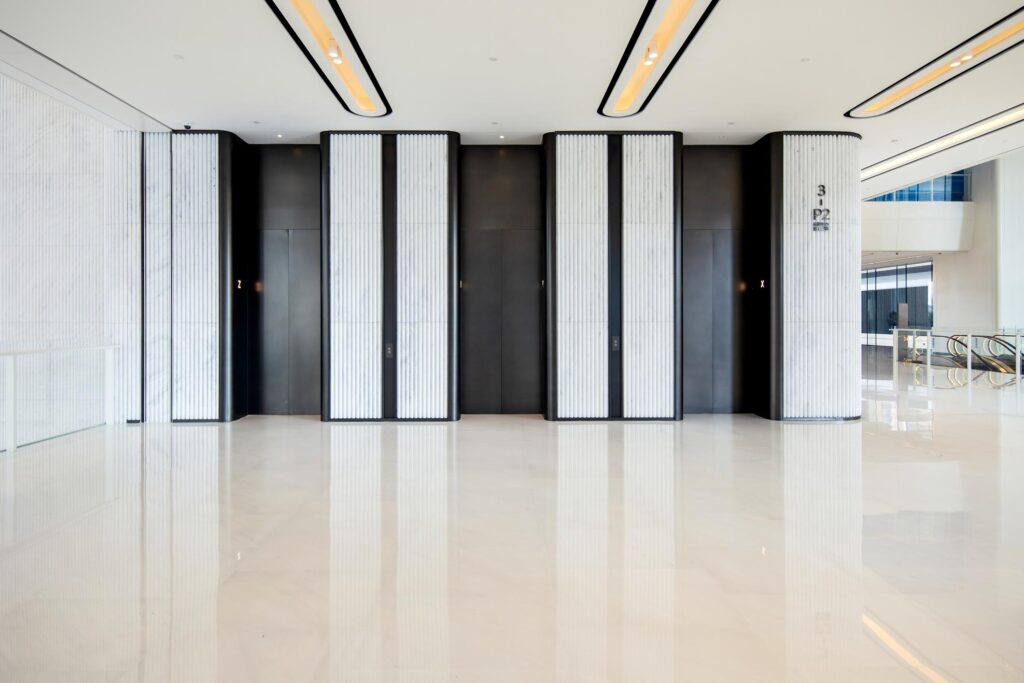
What Is Elevator Traffic Analysis and Why It Matters
Elevator traffic analysis is the process of studying passenger flow patterns inside a building to design an efficient elevator system. Engineers evaluate several factors, including:
- Total building occupancy
- Number of floors
- Typical movement patterns between floors
- Peak travel periods during the day
- Type of building (office, hotel, hospital, etc.)
This analysis helps determine how many elevators are required, what capacity they should have, and how fast they need to operate. Proper planning ensures elevators can handle peak demand without causing delays.
Understanding Handling Capacity and Interval Time
Two important metrics are used when designing elevator systems.
Handling Capacity refers to the percentage of building occupants that elevators can transport within a specific period, usually five minutes. For many office buildings, elevators are designed to move 10–15% of occupants within five minutes during peak periods.
Interval Time measures the time gap between elevator arrivals at the main floor. Shorter intervals mean passengers wait less time for an elevator. In well-designed commercial buildings, interval times typically range between 20–30 seconds during peak hours.
Balancing these two metrics ensures elevators can move passengers efficiently without excessive waiting times.
Peak Traffic Periods in Commercial Buildings
Commercial buildings usually experience predictable traffic patterns during the day. Elevator demand increases significantly during certain peak periods:
- Morning arrival period when employees enter the building
- Lunch hours when people move between floors
- Evening departure period when employees leave the building
Traffic analysis helps engineers design systems that can handle these peak periods while maintaining smooth operation during normal hours.
Elevator Zoning and Group Control Systems
In high-rise commercial buildings, elevators are often organized into zones. Each group of elevators serves a specific range of floors, such as low-rise, mid-rise, or high-rise zones. This reduces travel time and prevents elevators from stopping at too many floors.
Modern buildings also use group control systems, which use advanced algorithms to coordinate multiple elevators. These systems analyze passenger requests in real time and assign elevators efficiently, reducing waiting times and improving passenger flow.
Common Planning Mistakes in Elevator Design
Improper elevator planning can cause long-term operational problems in commercial buildings. One common mistake is underestimating the number of elevators required, which leads to overcrowding and longer waiting times during peak hours.
Other common issues include:
- Incorrect elevator speed selection
- Poor placement of elevator shafts within the building
- Lack of zoning strategies in high-rise structures
- Ignoring future building occupancy growth
Proper traffic analysis during the design phase helps avoid these problems and ensures the elevator system remains efficient as building usage increases.